Why we look up...
By Callum Young
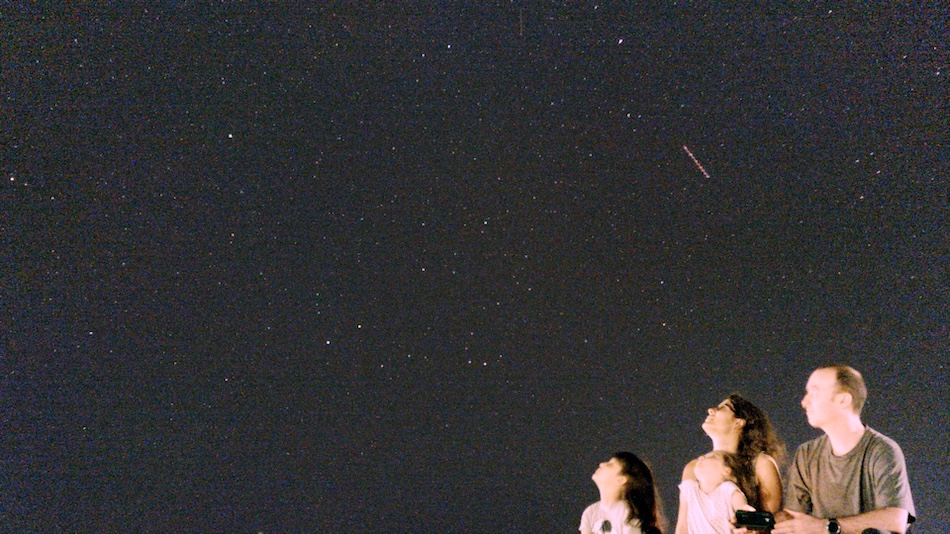
For millennia, all over the world, people have been gazing at the stars. Our commonly used constellations are rich in Greek myth, with origins stretching back thousands of years. Other cultures have been using the same stars to tell their own stories, including complex cosmologies from China, India, and the Americas. It makes you wonder, what about the stars is so attractive? Why do people, across geography and history, always look up? And, what does our connection to the stars do for us?
As a planetarium presenter, I am biased towards the night sky. I think it is a uniquely special and beautiful place. Looking up, I am struck by the vastness and majesty of space, even as I fight with light pollution and British weather. To see it unblemished, in a planetarium, is a real privilege. When looking up, either outside or in the dome, I feel calm. And, I am not alone. A study by Barnes and Passmore (2024) shows that people with a connection to the night sky report that they are happier, with better mental health.
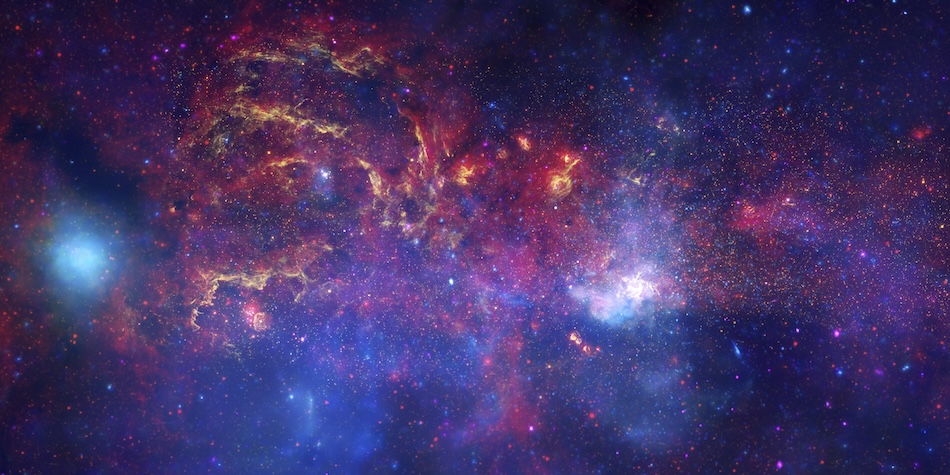
The reason for this may be linked to awe. Awe is typically triggered by things on grand scales: objects so vast that it forces your mindset to adapt and accommodate the experience. This vastness can exist on many scales, from social and moral greatness (like bearing witness to extreme heroism), to conceptual epiphanies (like a sudden understanding of science or philosophy). The most obvious example of vastness, though, is physical scale: things like towering mountains, or cavernous seas. Or, of course, space. Nothing can match the scale of our universe, impossibly large and ancient, stretching the very limits of human comprehension.
The night sky triggers feelings of awe. When faced with its enormity, we have used myth-making and stories to help us make sense of it all. In fact, people exposed to awe-inspiring things are more likely to accept the spiritual or the supernatural (Valdesolo & Graham, 2014). This belief in the unbelievable underpins many of the stories that we tell using the stars. It is a way for us to make meaning from the incomprehensible.
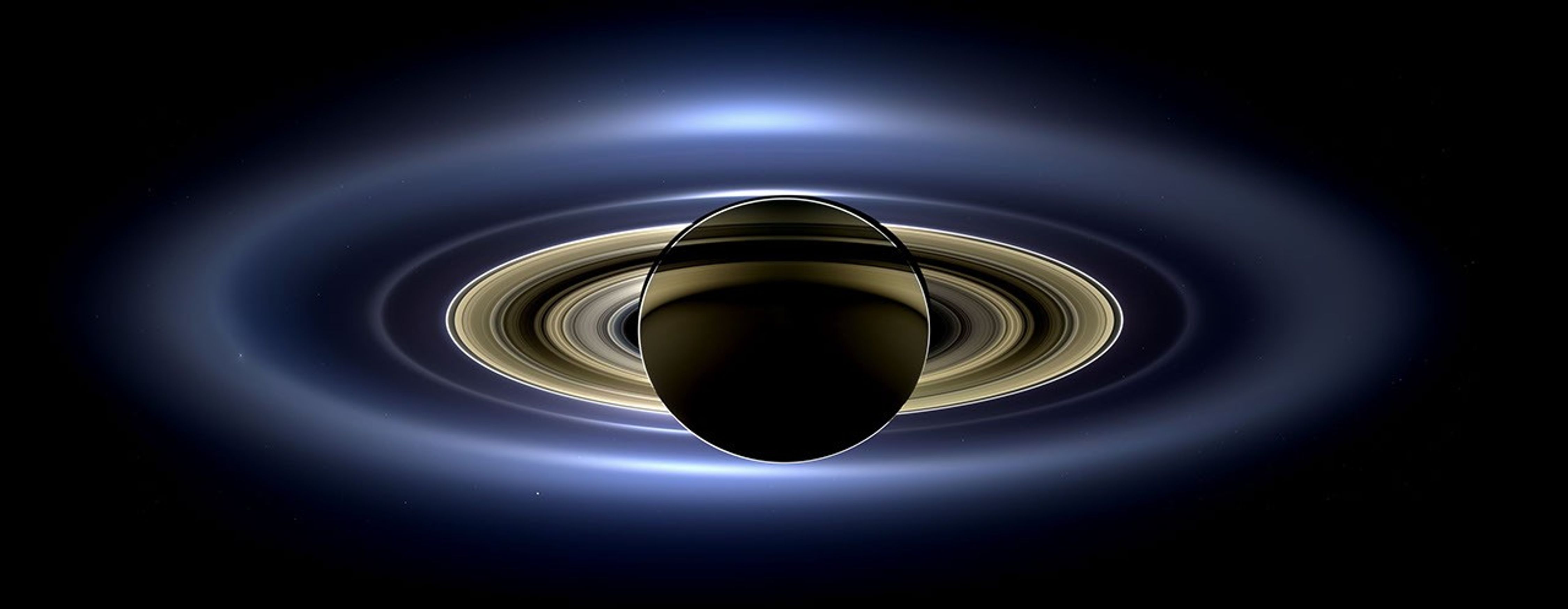
Awe diminishes our self-importance, giving us the chance to shrink into the world around us. It quietens that nagging voice; that inner critic. In his book, ‘Awe’, Dacher Keltner shows that, when presented with awe-inspiring sights, we literally see ourselves as smaller: we talk less about ourselves, and use self-transcendent language. Our problems – rooted so firmly on Earth – are rendered easier to manage. When faced with something awesome, something vast and ancient like the stars, we can let go of some of our worries that, before, felt so large.
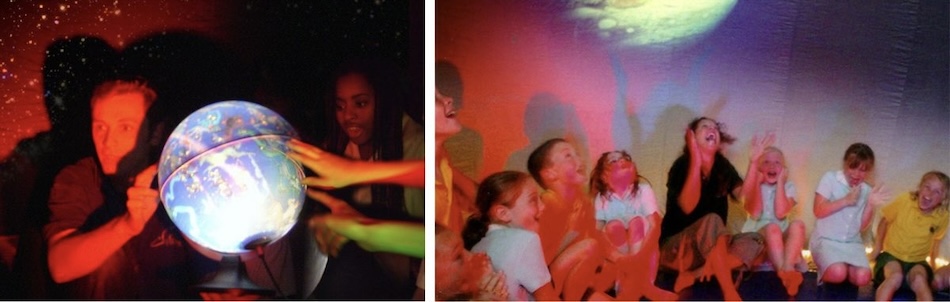
Feelings of awe are not limited to the natural world. In the dome, nothing brings me greater joy than hearing kids say “woah”. That small sound, an utterance of awe, means I have done my job well. Bringing awe to young people has the wellbeing benefits outlined above. But, by making this experience communal, we are doing more.
Research by Piff, et al., (2015) shows that shared feelings of awe can enhance community cohesion, boosting our feelings of connection to the people around us. It’s that same frisson you feel when singing to your favourite band, with a thousand other people by your side. Or, when you cheer together as your football team scores a goal. The ‘small self’ is more attentive to other people. When awed, we are more likely to be kind, cooperative, and generous; we feel less anxiety and stress. People feeling awe are likely to make more ethical decisions, help those in need, and donate their own resources to others. In fact, we even observe a change in the brain, with reduced activity in the Default Mode Network (which governs self-referential thought).
As a science communicator, I have always considered myself to be an educator. However, the benefits of a planetarium show far exceed the learning of curriculum points. Instead, it is an engine for awe. A chance for young people to look up and feel amazed; to share something wonderful. If awe can bring about improved wellbeing, pro-social behaviour and a widened mind, then this is a noble goal for all of us lucky enough to work with the stars.

